
The Construction Website That Converts: Proof Before the Call
A $900,000 buyer does not call you because of your About page. They call because your website made them feel safe.
Get a Visibility Audit →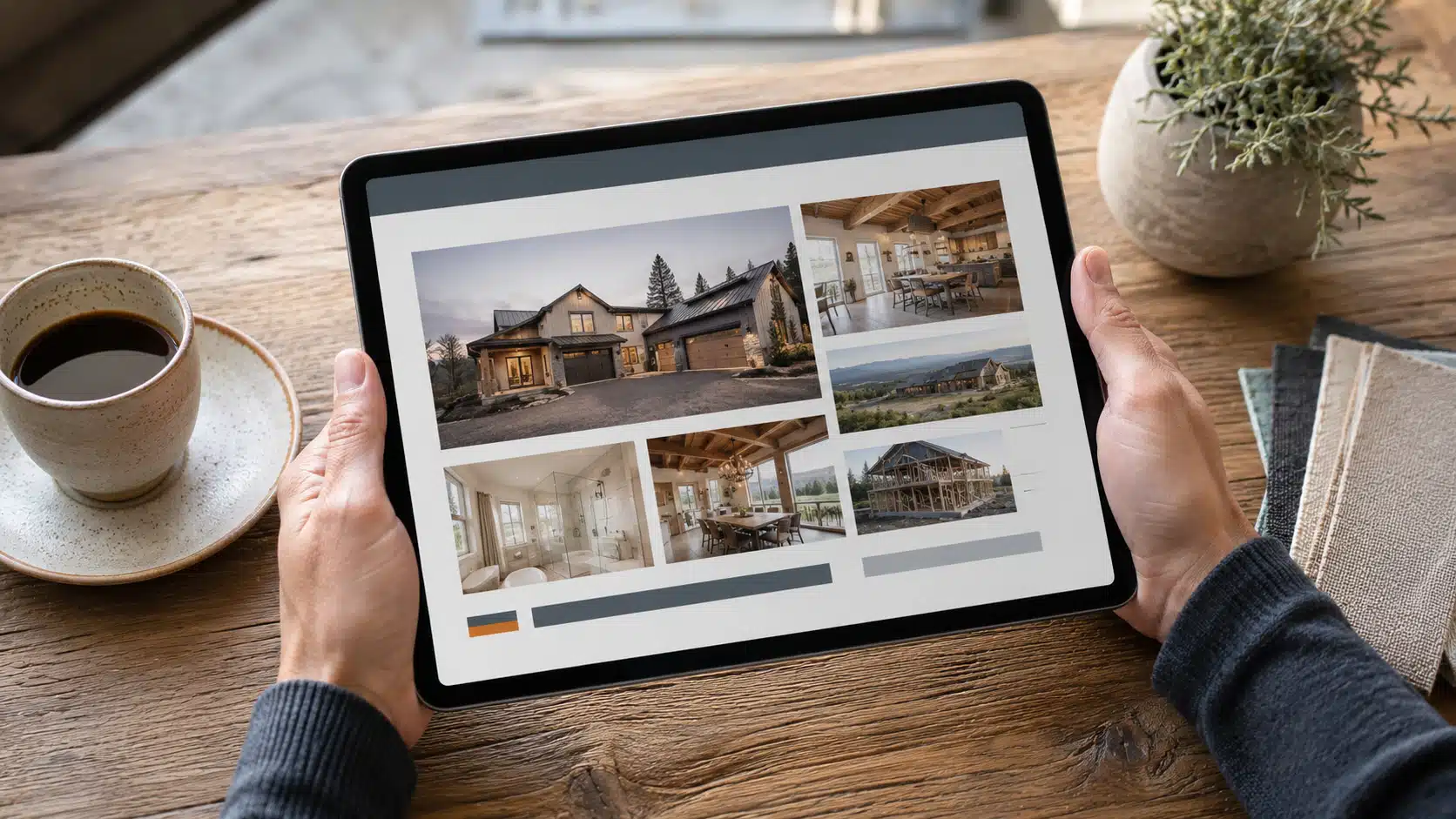
A homeowner spending $900,000 on a remodel does not call you because of your About page. They call because your website made them feel safe.
This is the second pillar of marketing for construction companies: a site built around proof, not promotion. It comes right after positioning and right before local SEO, because the website is where your message either earns trust or quietly loses it.
Do construction companies need a website?
Yes. Even contractors who get most of their work from referrals lose jobs because the homeowner Googled them, found a thin or outdated site, and went with someone whose site looked more legitimate. A construction website is not a brochure, it is the trust check before the first call.
Referrals still get Googled
The most common objection we hear from builders is “all my work comes from referrals, so I don’t really need a website.” Here is the problem with that.
A referral is a name, not a decision. The moment a homeowner hears your name, they Google it. If they find a thin, slow, outdated site, that warm referral cools fast, and they quietly call the next builder whose site looked more legitimate. Your website is the trust check that happens between the referral and the call. Skip it, and you are losing jobs you never knew you were in the running for.
Build the site around proof, not promotion
The construction website that converts is built around evidence a buyer can verify, not adjectives about yourself.
That means high-quality project photography, real client names and locations, transparent process pages, and clear answers to the questions buyers are already asking before they pick up the phone. A $900,000 buyer wants to see the work, understand the process, and feel the risk drop before they ever call. Promotion says “we’re the best.” Proof shows them why, and lets them conclude it themselves.
Promotion says you’re the best. Proof shows them why.
Brian’s Cabinets, a custom cabinetry maker and Just By Design client, saw measurable lead growth after we rebuilt their site around portfolio depth and process transparency rather than a generic gallery and a contact form. The site did the qualifying work before the first conversation, which meant cleaner sales calls and better-fit projects.
What a proof-first construction site includes
A few elements separate a site that converts from a digital brochure:
- Real project photography with location and project type, not stock images
- Named client stories and outcomes, ideally tied to towns you serve
- A clear, transparent process page so buyers know what working with you feels like
- Answers to the real questions buyers ask, which also feeds your search visibility
- Fast load times and clean mobile design, because a slow site reads as a careless builder
Your positioning decides who the site speaks to. The site then proves you can deliver for exactly that buyer.
The site is the hinge of the whole system
Positioning shapes the website. The website shapes everything after it. A site built on proof gives your local SEO something worth ranking and gives AI engines something worth citing. Get the website right and the rest of the build gets cheaper and faster.
If you want a partner to build it, our website design work is built around exactly this proof-first approach, and we have done it for construction clients across Bend, Portland, and Central Oregon since 2001.
Frequently Asked Questions
Do construction companies need a website?
Yes. Even referral-driven contractors lose jobs when a homeowner Googles them and finds a thin or outdated site. The website is the trust check between the referral and the call.
What makes a construction website actually convert?
Proof, not promotion. Real project photography, named client stories, a transparent process page, and clear answers to buyer questions. The goal is to lower perceived risk before the first conversation.
How important are project photos on a contractor website?
Critical. For high-budget construction work, photography is the single strongest trust signal. Real, well-shot project images outperform stock photography and generic galleries every time.
Should a construction website have a process page?
Yes. A clear process page tells nervous buyers what working with you feels like, which reduces risk and produces cleaner, better-qualified sales calls.

Keep reading
More on this topic from the Just By Design blog.


Want a site that proves your quality?
Schedule a free 30-minute visibility audit with Justine. No pitch. Just a clear read on whether your website is winning or quietly losing the jobs you should be getting.
Schedule a Free Consult → justbydesign.com · 541.526.3406